Signed in as:
filler@godaddy.com

A truck driver’s logbook (also called a driver’s daily log) is a recordkeeping notebook that documents a driver’s daily activities related to operating a commercial motor vehicle.
It includes when and where the driver was driving, resting, fueling, inspecting, loading, or performing other work-related duties. Basically, your coloring book.

FMCSA Regs refers to the Federal Motor Carrier Safety Administration Regulations — a comprehensive set of federal rules and standards established by the FMCSA, a division of the U.S. Department of Transportation (DOT), to govern and promote the safety of commercial motor vehicle (CMV) operations in the United States.
These regulations are designed to reduce accidents, injuries, and fatalities involving large trucks and buses by setting clear requirements for drivers, vehicles, and motor carriers. You just have to know them.

An annual inspection for a commercial truck—often called a DOT Annual Inspection or Federal Annual Inspection—is a comprehensive safety examination required by the Federal Motor Carrier Safety Administration (FMCSA) once every 12 months.
A pre-trip and post-trip inspection are two required safety checks that truck drivers must perform on their commercial vehicles before and after each trip to ensure the vehicle is safe to operate and meets FMCSA (Federal Motor Carrier Safety Administration) safety standards.
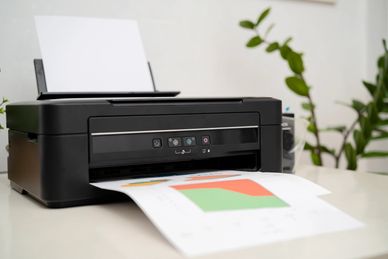
A printer, as a truck driver would use it, is a compact, mobile printing device kept in the truck to produce important documents such as bills of lading, trip sheets, fuel receipts, inspection reports, delivery confirmations, and invoices while on the road. It helps drivers and owner-operators stay organized and compliant by allowing them to handle paperwork from anywhere without needing to return to an office.

A notebook is a stack of paper bound together so you can write down thoughts you'll probably never read again. A folder is a folded piece of cardboard designed to hold your papers until you lose it. A pen is a writing tool that holds ink inside and lets you draw or write when you press the tip on paper... right before it runs dry at the worst possible moment. Did we really have to explain?

Trip packs, as a truck driver would use them, are envelopes or document submission systems used to send trip paperwork—such as bills of lading, fuel receipts, logs, inspection reports, and delivery documents—from the driver to their trucking company or dispatch office.
They help drivers get paid faster, keep records organized, and stay compliant with company and FMCSA documentation requirements.

A road atlas is a big book of maps that helps people find their way when they’re driving.